

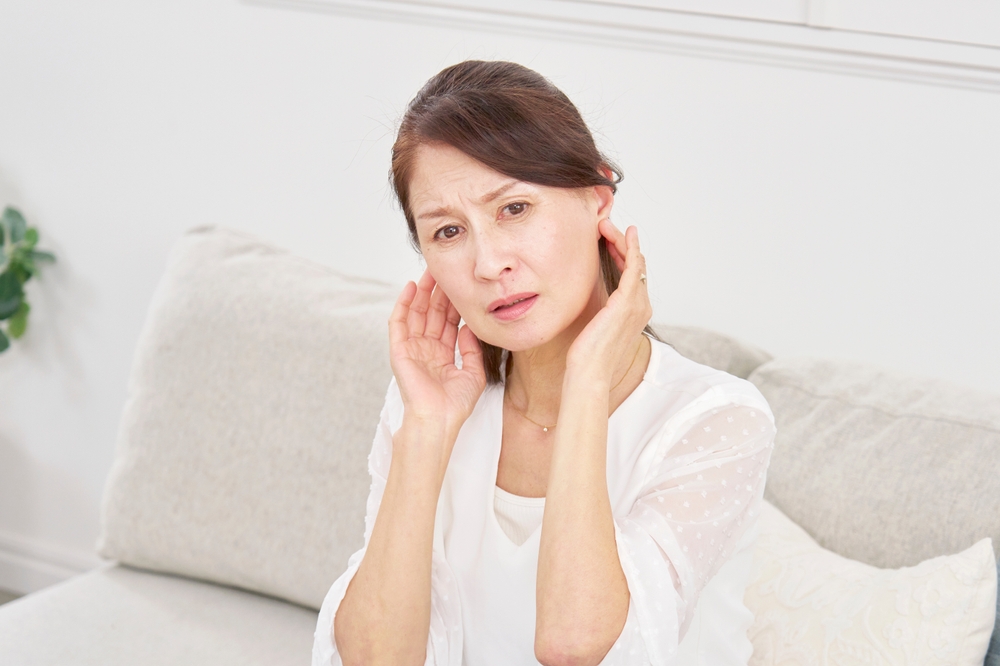
Realizing your hearing sharpness has disappeared overnight is a distressing and confusing event. The experience of losing hearing instantly, particularly in the absence of pain, is inherently distressing. Though certain triggers are transient and simple to resolve, others necessitate urgent clinical assessment.
Analyzing the standard reasons behind sudden deafness and identifying the right time for help is vital for your long-term health. In the following sections, we break down the nature of abrupt hearing loss, its potential origins, and the requirements for professional consultation.
Understanding Rapid Auditory Decline
Clinically, abrupt hearing loss is defined as an accelerated reduction in auditory function that occurs within a few hours or up to three days. The issue frequently strikes a single ear, though bilateral loss is seen in rarer cases. Symptoms can range from perceiving muffled noise to experiencing tinnitus, a sensation of aural fullness, or compromised speech recognition.
Navigating SSHL: A Medical Priority
SSHL stands as one of the most critical conditions for an audiologist to examine quickly.
We categorize this loss as damage to the inner ear or the complex nerve systems involved in sound transmission. It often develops without a clear cause, but likely factors include:
- Lowered vascular supply to the delicate inner ear structures
- Systemic inflammatory catalysts or autoimmune reactions
- Underlying viral triggers affecting the ear
- Advanced neurological conditions
Due to the fact that timely therapy can restore hearing function, SSHL is always treated as an immediate medical priority.
Viruses and Inner Ear Health
Particular viral strains can result in lasting or transient hearing shifts by irritating delicate inner ear tissues.
Viruses associated with sudden hearing changes include:
- Viral cold and nasal infections
- The seasonal flu virus
- Herpes viruses
- Secondary hearing effects after a COVID-19 infection
Auditory symptoms often manifest during the peak of an illness or in the early recovery phase, sometimes with vertigo.
Head or Ear Trauma
Physical impact to the skull, rapid shifts in ambient pressure, or intense sound blasts can injure the ear’s internal mechanisms.
Common drivers of injury-based hearing loss involve:
- Severe brain injuries or concussions
- Sudden pressure changes such as barotrauma
- Contact with extremely loud sounds
- Disturbances in cochlear fluid balance
Minor impacts can still compromise auditory function, particularly if shifts manifest shortly after the event.
Impacted Cerumen and Hearing Blockage
While not a medical emergency like nerve damage, impacted wax is a frequent cause of abrupt auditory dullness.
Earwax-related hearing loss may:
- Develop quickly
- Result in a feeling of blockage or “stuffiness”
- Be more pronounced on the left or right
- Resolve once the blockage is safely removed
Crucially, you should not assume wax is the cause, as the symptoms of SSHL often overlap with a simple blockage. Therefore, seeking a professional clinical opinion is the best course of action.
Exploring Secondary Triggers for Hearing Changes
Secondary factors to sudden hearing loss may include:
- Secondary reactions to certain medications
- Blood flow conditions
- Abnormal immune responses targeting the hearing system
- Small growths on the hearing nerve
A thorough hearing evaluation helps rule out these possibilities.
Why Acting Fast Matters for Sudden Hearing Changes
The most crucial takeaway regarding rapid hearing changes is to avoid a wait and see approach.
Seeking a swift clinical assessment allows you to:
- Determine if the hearing loss is medically reversible
- Enhance the overall success rate of medical interventions
- Mitigate the risk of permanent auditory deterioration
- Decrease the likelihood of facing permanent communication issues
Comprehensive audiology diagnostics provide the essential data needed to manage the condition effectively.
Criteria for Emergency Audiology Consultation
You should seek prompt medical or audiology care if you experience:
- Sudden hearing loss in one or both ears
- Auditory loss with dizziness or imbalance
- Ringing or pressure that appears suddenly
- Auditory decline following a viral infection or physical trauma
Even if symptoms subside, you still require a formal assessment to identify the root cause.
How Hearing Tests Provide Immediate Solutions
Audiological diagnostics are designed to quickly determine if the loss is:
- Conductive in nature, often caused by mechanical obstructions
- Sensorineural (inner ear or nerve-related)
- Temporary or potentially permanent
Initiating diagnostics early facilitates more effective medical choices and improved recovery.
Final Thoughts on Addressing Abrupt Hearing Loss
While experiencing a rapid loss of hearing is distressing, early intervention provides the widest range of recovery options.
Choosing to get evaluated immediately after a change in hearing ensures you are taking the right steps for your future. We’re here for you if you experience sudden hearing loss: Call our care team as soon as possible at our office for the help you need.