

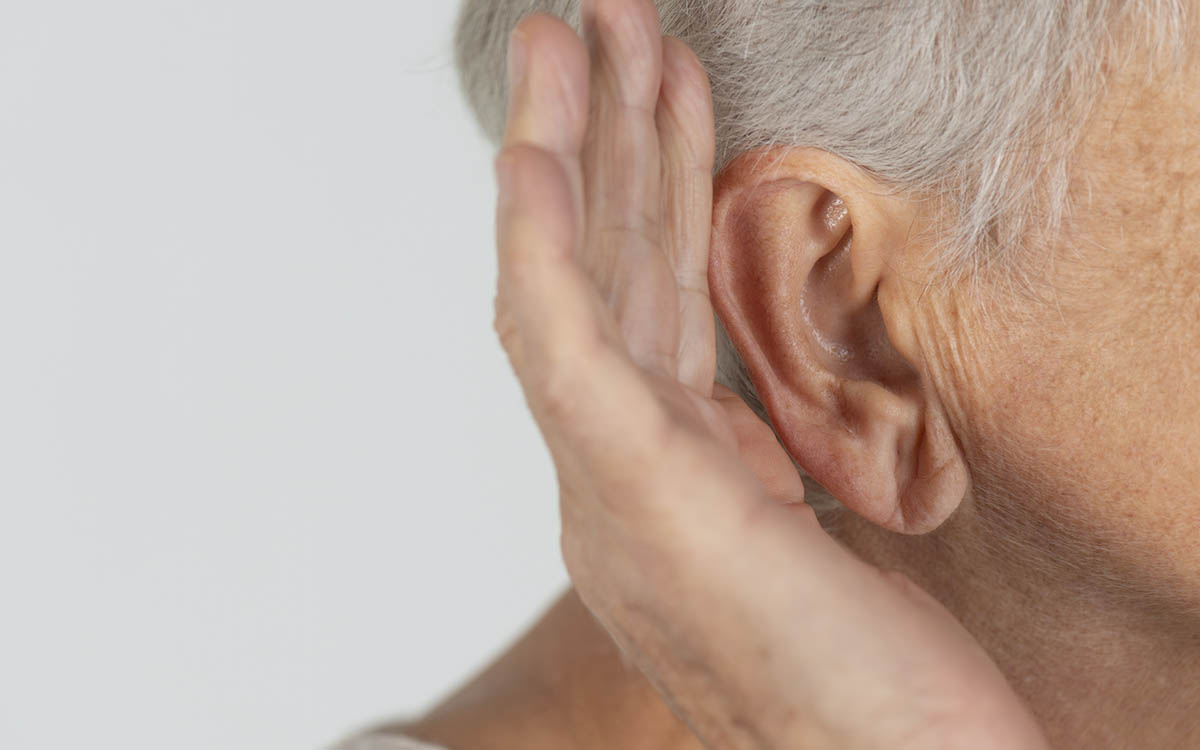
While many individuals correlate hearing loss to senescence, yet for a vast number of citizens, hearing damage begins much sooner. As one of the most prevalent and avoidable types of auditory impairment, noise-induced hearing loss typically progresses slowly, advancing subtly and remaining undiagnosed until the clinical effects are permanent.
Understanding how noise exposure impacts your ears over time is essential for implementing safeguards prior to the onset of clinical hearing loss.
The Clinical Mechanisms of Noise-Related Acoustic Injury
The pathology of noise-induced hearing loss involves trauma to the sensitive anatomical structures within the inner ear. Data from the CDC indicate that, sustained or frequent exposure to sounds exceeding 85 decibels, such as heavy traffic, can initiate auditory damage. Intense noise sources, specifically firearms or industrial tools, can compromise hearing integrity within a very brief timeframe.
The internal auditory system houses delicate sensory units termed hair cells. These receptors facilitate the conversion of acoustic vibrations into electrical signals decoded by the brain. Following injury, these hair cells lack the biological capacity to regenerate, which renders noise-related hearing loss an irreversible condition.
Understanding How Auditory Trauma Accumulates Through Chronic Exposure
The insidious nature of noise-induced hearing loss is highlighted by its gradual developmental timeline. Initial clinical indicators of sound-induced trauma may involve:
- Temporary ringing or buzzing in the ears (Tinnitus)
- A feeling of muffled hearing after loud events
- Impaired speech discrimination in the presence of background noise
These early warning signs may fade, leading people to assume their hearing has “recovered”. Despite the lack of symptoms, persistent noise exposure causes cumulative injury to the ear, incrementally diminishing auditory acuity and threshold sensitivity.
The Hearing Loss Association of America reports that approximately 48 million Americans experience some degree of hearing loss, often without realizing the cause.
Frequent Acoustic Triggers contributing to Ear Injury
The prevalence of loud sounds in daily life often results in a dangerous desensitization to harmful noise levels. As a result, many individuals remain unaware of the clinical prevalence of damaging noise exposure.
Typical noise-generating sources consist of:
- Concert settings and loud musical performances
- High-volume output from personal listening equipment
- Industrial tools, lawn maintenance equipment, and motorcycles
- Professional exposure to high-volume noise in manufacturing and labor industries
Due to the routine nature of these sounds, auditory injury may accrue in the absence of overt symptoms.
Prioritizing Prophylactic Measures in Clinical Hearing Management
A distinguishing factor of noise-induced hearing loss is the lack of clinical reversal options. Nevertheless, it remains a highly avoidable pathology. Risk reduction can be achieved through fundamental protective habits, including:
- Utilizing hearing protection devices like earplugs in noisy settings
- Modulating audio output levels and observing 60/60 rule constraints
- Incorporating auditory rest periods to allow for physiological recovery
- Ensuring consistent Audiology check-ups for those in high-noise environments
Guidelines for Requesting Professional Care
Patients observing ongoing Tinnitus, challenges in conversation, or shifts in auditory acuity should contact an Audiologist. Early intervention through an Audiologist allows for the monitoring and implementation of essential protective measures.
Implementing protective measures today safeguards your auditory capacity for the years ahead. Exposure to noise is frequent, yet hearing loss can be successfully avoided through proper care. Contact our team today to schedule a consultation and make sure you’re hearing your best.