

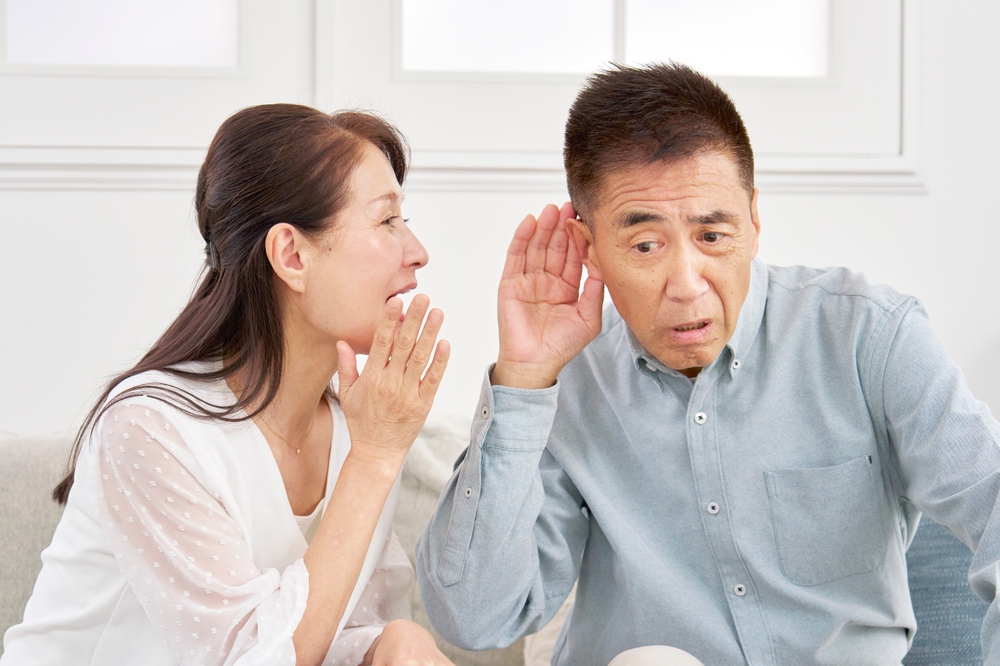
While auditory decline is statistically prevalent, pervasive misconceptions often deter individuals from pursuing clinical intervention. When managing hearing loss, timely intervention is a fundamental requirement for long-term health. Believing common hearing loss myths can delay diagnosis, impact communication, and reduce your overall quality of life.
If you have concerns about your hearing, knowing the truth (and the myths!) can help you make informed decisions about your health and proceed with greater confidence. Let’s take a closer look at seven hearing loss myths that deserve to be clarified, along with the truths that put them in their place.
Myth: Hearing Impairment is Solely a Condition of Aging
While sensory shifts are frequent in seniors, hearing loss remains a cross-generational health concern. Noise exposure, genetics, infections, certain medications, and underlying medical conditions can all contribute to hearing problems in younger adults and even children.
Labeling hearing loss as a senior-only problem often causes younger patients to overlook critical early warning signs.
The “I Can Still Hear” Fallacy
The presence of hearing loss does not always manifest as total profound deafness. Individuals with moderate deficits may hear volume but lack the clarity required for word discrimination. Between perfect hearing and total hearing loss is a wide spectrum of hearing challenges.
Common indicators include struggling with speech in noise, requesting repetition, or experiencing post-social cognitive fatigue. These are common early signs of hearing changes that should not be ignored.
3. Myth: Hearing Loss Is Simply an Inconvenience
Untreated hearing loss can affect more than just communication. Data shows that failing to treat hearing issues can lead to brain atrophy and emotional health challenges.
Addressing hearing concerns early helps protect not only your ability to communicate, but also your overall well-being.
Myth: Amplification Devices Accelerate Ear Damage
Some people believe that wearing hearing aids will cause their hearing to deteriorate more quickly, but that is not true.
Hearing aids do not damage your ears. They provide customized amplification that fills the exact deficits revealed during your professional assessment. Consistent use of hearing aids maintains the neural pathways required for clear sound interpretation.
5. Myth: Hearing Aids Are Large and Obvious
Recent innovations in hearing science have prioritized both power and miniaturization. Contemporary hearing aids deliver elite processing power within incredibly discreet housings. Sleek “Behind-the-Ear” and “In-the-Ear” designs ensure that modern hearing help is virtually undetectable.
In addition to their size, modern hearing aids often include beneficial features like background noise reduction, Bluetooth connectivity, and automatic sound adjustments.
6. Myth: If My Hearing Loss Is Mild, I Don’t Need Treatment
A “mild” diagnosis still carries the risk of social isolation and increased mental effort. Prompt intervention mitigates listening fatigue by making sound processing effortless for the neurological system.
Maintaining communicative fluency is far easier when you address auditory shifts in their infancy.
Myth: One-Size-Fits-All Hearing Solutions Work for Everyone
While OTC options offer simple volume boosts, they cannot address the unique nuances of your ear health. Professional diagnostics ensure your hearing solution is “tuned” to your specific environment and biology.
Custom-fit solutions provide a level of acoustic fidelity that generic devices simply cannot match.
Moving Beyond the Myths to Auditory Health
Auditory shifts can be daunting, leading many to avoid the clinic through a “denial” response. Auditory fallacies act as roadblocks to the treatment that could change your life today. You’ll find that a hearing screening is a comfortable and highly enlightening clinical experience.
Taking the first step toward a hearing test is the best way to safeguard your long-term communication. Prompt action protects your ability to engage with the world and maintains your mental well-being.
If you want to learn more about your hearing health or schedule a hearing evaluation, our team is here to help! Our team is available for appointments: Call us today to protect your hearing.