

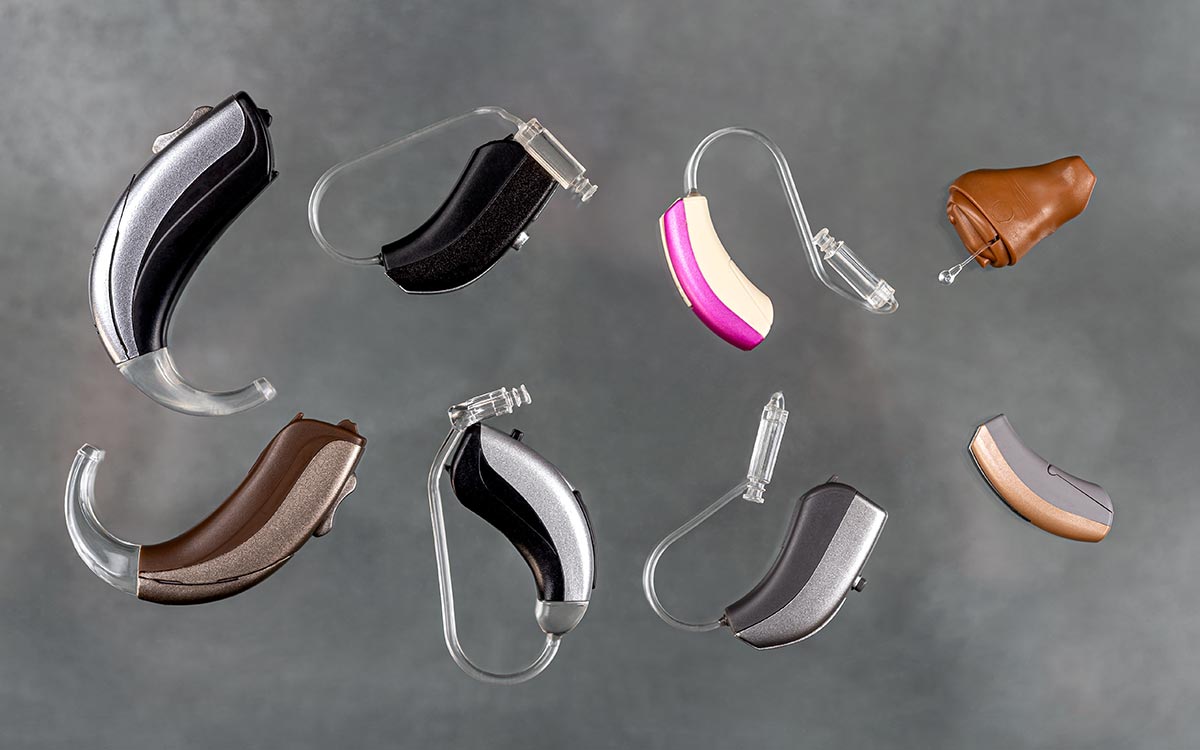
With so many choices in terms of size, style, and technology, the process of picking an instrument can feel quite intense. Fortunately, there is a perfect hearing solution for every individual, regardless of their lifestyle or the severity of their hearing loss. Success lies in locating the specific aid that meets your personal preferences.
By learning about the distinctions between various hearing aid models, you can move forward with greater confidence and knowledge. In this breakdown, we glance at current styles and the unique characteristics that define them.
ITC (In-the-Canal) Hearing Solutions
What they are:
An ITC device is engineered to sit partially within the ear canal while showing just an inconspicuous section in the outer ear area.
Key Selling Points:
- More subtle than larger models
- Specifically contoured to the user’s ear for an optimal fit
- Appropriate for mild to moderate hearing loss
Because they provide both discretion and useful features, ITC models are a top pick for those new to hearing technology.
IIC (Invisible-in-Canal) Technology
How they function:
These are the smallest custom-made units on the market today. They rest deep inside the ear canal and are virtually invisible when worn.
User Pros:
- Offers the most subtle design of any hearing aid style
- Microphone placement helps mimic the ear’s natural sound collection
- Featherweight and easy
IIC devices are primarily aimed at patients with moderate hearing needs who want their technology to remain completely unnoticed.
Full and Partial ITE Options
Structural Info:
ITE hearing aids fill either the entire outer ear (full-shell) or the lower portion (half-shell). They are custom-made to fit the shape of your ear.
Why users favor this style:
- The increased surface area offers space for extra functionality and extended power
- The physical size is simpler to grip and adjust for users with fine motor concerns
- Effective for mild to profound hearing loss
ITE models are often chosen by people who want an uncomplicated, all-in-one design without behind-the-ear components.
Traditional BTE Models
Technical Detail:
A BTE hearing aid is placed externally behind the ear for a stable fit. Audio travels through a dedicated tube or custom-fit mold into the ear opening.
Common Motivations:
- Regarded as one of the most reliable and sturdy designs available
- Provides an extensive selection of amplification suitable for nearly any user
- Large enough to house sophisticated software and modern rechargeable technology
For those who prioritize a reliable device that is easy to manage and provides plenty of volume, BTE is an excellent choice.
Receiver-in-Canal (RIC) Hearing Aids
Design Specifications:
While they match BTE units, RIC aids place the speaker directly in the canal for better sound delivery.
Why people choose them:
- Provides a remarkably clear and lifelike listening experience
- Users appreciate the slim profile and comfortable fit for all-day use
- A versatile solution that works for various degrees of auditory needs
RIC devices are one of today’s most common styles, thanks to their blend of comfort, aesthetics, and performance.
Long-Term “Set and Forget” Devices
Operational Details:
Extended-wear models are semi-permanent devices that an expert fits into the ear for a duration of several weeks.
Lifestyle Benefits:
- Eliminates the requirement to put in or take out the device every day
- Sitting low in the canal makes them completely hidden from view
- Engineering enables them to stay in the ear during all facets of daily life
Extended-wear devices are ideal for those who want a “set it and forget it” approach.
Bluetooth-Enabled Hearing Aids
What they represent:
Auditory aids with wireless connectivity that pair with smartphones, tablets, computers, and sometimes TVs.
Why users select them:
- Enjoy direct sound streaming from your phone or TV right into your ears
- Allows for instant, subtle adjustments to your hearing aids through digital software
- Enhances everyday life by making technology engagement seamless and clear
You can find Bluetooth capabilities integrated into an array of form factors, from RIC and BTE to custom ITC designs.
Understanding Middle-Ear Implant Systems
What they are:
An operatively implanted device that physically vibrates the middle ear bones to amplify sound.
Who they are serving:
- An accessible route for patients who are unable to wear standard acoustic devices
- Comfortable option for chronic ear issues related to traditional devices
Candidates for middle-ear implants should undergo a comprehensive evaluation by an expert specialist.
Selecting Your Ideal Auditory Solution
Every hearing aid style provides its own advantages, and the right option depends on your level of hearing loss, comfort preferences, lifestyle, and cosmetic considerations. An expert can offer the guidance needed to test out different styles and find the one that fits your life perfectly.
Take the initiative for your auditory health by booking an expert evaluation today. Your future of assured communication starts with this first evaluation.
Sources:
https://www.mayoclinic.org/diseases-conditions/hearing-loss/in-depth/hearing-aids/art-
20044116
https://www.hearinglife.com/hearing-aids/types
https://www.nidcd.nih.gov/health/hearing-aids