

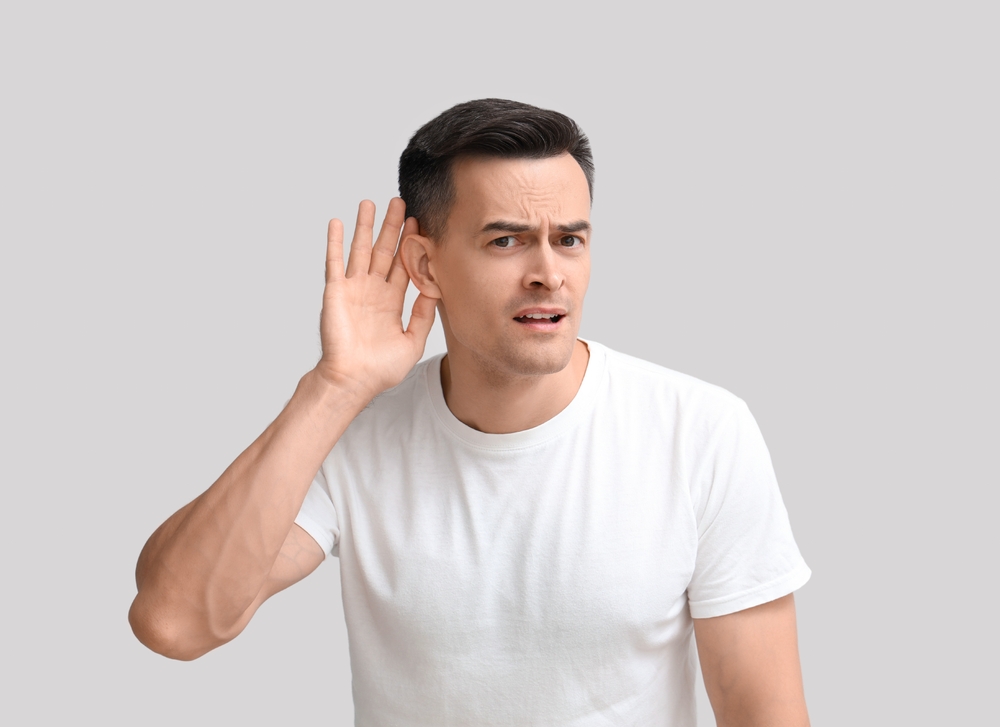
Is it common for you to feel physically and mentally spent after navigating a social environment?
It is easy to misattribute this fatigue to general stress, lack of sleep, or sensory overload. And it’s true that for introverts or people with sensory issues, social situations can be exhausting. However, in many clinical scenarios, the underlying driver is a neurological phenomenon known as auditory fatigue.
This condition manifests when the brain’s auditory cortex is forced into an overactive state to interpret sound. When sound clarity is compromised, the brain allocates vast cognitive resources to deciphering muffled or distorted phonemes. Over time, this constant strain can leave you feeling mentally exhausted.
Most individuals fail to distinguish between localized auditory fatigue and general fatigue. In many cases, persistent fatigue serves as a diagnostic “red flag” for early-onset hearing impairment. A comprehensive assessment can help determine whether hearing loss is contributing to your symptoms. Persistent patterns of post-social exhaustion warrant a discussion regarding the impact of hearing loss.
Why Your Brain Suffers from Auditory Fatigue
The risk of developing auditory fatigue is increased by several physiological and environmental factors.
The Hidden Cost of Ignoring Hearing Loss
One of the most common causes is untreated hearing loss.
When acoustic signals are incomplete, the brain engages in heavy “top-down” processing to reconstruct speech. This perpetual state of “phonemic guessing” elevates cognitive load and triggers rapid burnout during dialogue.
Auditory Fatigue in Social Settings
High-noise environments significantly exacerbate the symptoms of auditory fatigue. Loud public spaces, corporate boardrooms, and large social gatherings typically feature high levels of competing ambient noise.
In multi-source sound environments, the brain must exert massive energy to suppress irrelevant noise. This intensive filtering often leads to cognitive overload, even in patients with “hidden” or sub-clinical hearing loss.
How Internal Noise Increases Listening Effort
Tinnitus, often described as ringing or buzzing in the ears, can also contribute to listening fatigue because the brain must process external sounds and internal noise signals simultaneously.
When hearing loss causes sound to arrive garbled, the brain must work with higher intensity to extract meaning.
How to Recognize the Onset of Auditory Fatigue
Symptoms of auditory fatigue typically bridge the gap between mental clarity and physical stamina. Typical red flags for this condition include:
- Sense of being “wiped out” after a basic discussion
- Inability to maintain attention in multi-person dialogues
- Headaches after long listening periods
- Feeling “on edge” or frustrated when trying to follow a conversation
- Self-isolation as a defense mechanism against listening effort
- Compulsive need for rest after navigating a noisy environment
If these symptoms occur frequently, it may indicate that your ears and brain are working harder than they should.
The Neurology of Effortful Listening
When hearing is clear, the brain can process speech almost effortlessly. However, when hearing loss is present, the brain must allocate more cognitive resources to decode sounds.
Audiologists and neurologists define this extra effort as a high cognitive load. This energy shift often leaves the patient struggling with recall and attention while they try to listen. Sustained energy redirection eventually results in a state of total mental insolvency. Standard dialogue, which should be easy, becomes a high-intensity cognitive task.
Why a Hearing Test is the First Step to Recovery
A formal auditory screening is the most effective way to determine why you feel so drained. The evaluation process includes mapping your hearing range and measuring your speech discrimination accuracy. They may also evaluate how well you understand speech in background noise, which can reveal challenges that may not appear in quiet settings.
A comprehensive hearing test can determine whether hearing loss is contributing to your fatigue and help guide the next steps for treatment. Timely audiological care is the most effective way to halt the progression of auditory fatigue.
How Hearing Treatment Reduces Listening Effort
Treating hearing loss can significantly minimize listening fatigue.
Modern hearing aids improve sound clarity by amplifying important speech frequencies and reducing background noise. The brain can finally rest, receiving data that is easy to interpret and understand.
When listening becomes easier, many people notice improvements in:
- General energy levels from morning to evening
- Ability to follow complex dialogue without drifting off
- Reduced anxiety and heightened ease during social events
With less strain on the brain, everyday interactions can feel more natural again.
Recognizing the Right Moment for a Hearing Test
You should prioritize an audiological consultation if the following conditions apply:
- Dialogue leaves you feeling cognitively spent
- You are increasingly told that you are missing parts of the conversation
- Background noise makes speech recognition a major challenge
- You avoid social situations because listening feels difficult
Addressing hearing concerns early can help reduce listening strain and improve overall quality of life.
Common Inquiries Regarding Listening Effort
Auditory Fatigue vs. Hearing Loss: What’s the Difference?
There is a difference: the fatigue is the neurological byproduct of the effort to hear. That said, hearing loss remains the primary catalyst for chronic listening burnout.
Will Hearing Devices Fix My Burnout?
Yes—current technology is specifically designed to minimize the cognitive cost of communication.
Is This Exhaustion a Permanent Condition?
Most patients find that their energy returns once the listening “gap” is closed with technology.
End Your Struggle with Auditory Fatigue Today
You shouldn’t feel exhausted after everyday conversations. If listening leaves you mentally drained, your ears and brain may be working harder than they should.
Don’t wait for the burnout to get worse; schedule your audiological check today. The path to social confidence and mental clarity begins with accurate hearing data.